
Beyond Tabikat · Places
Sampfield Grange
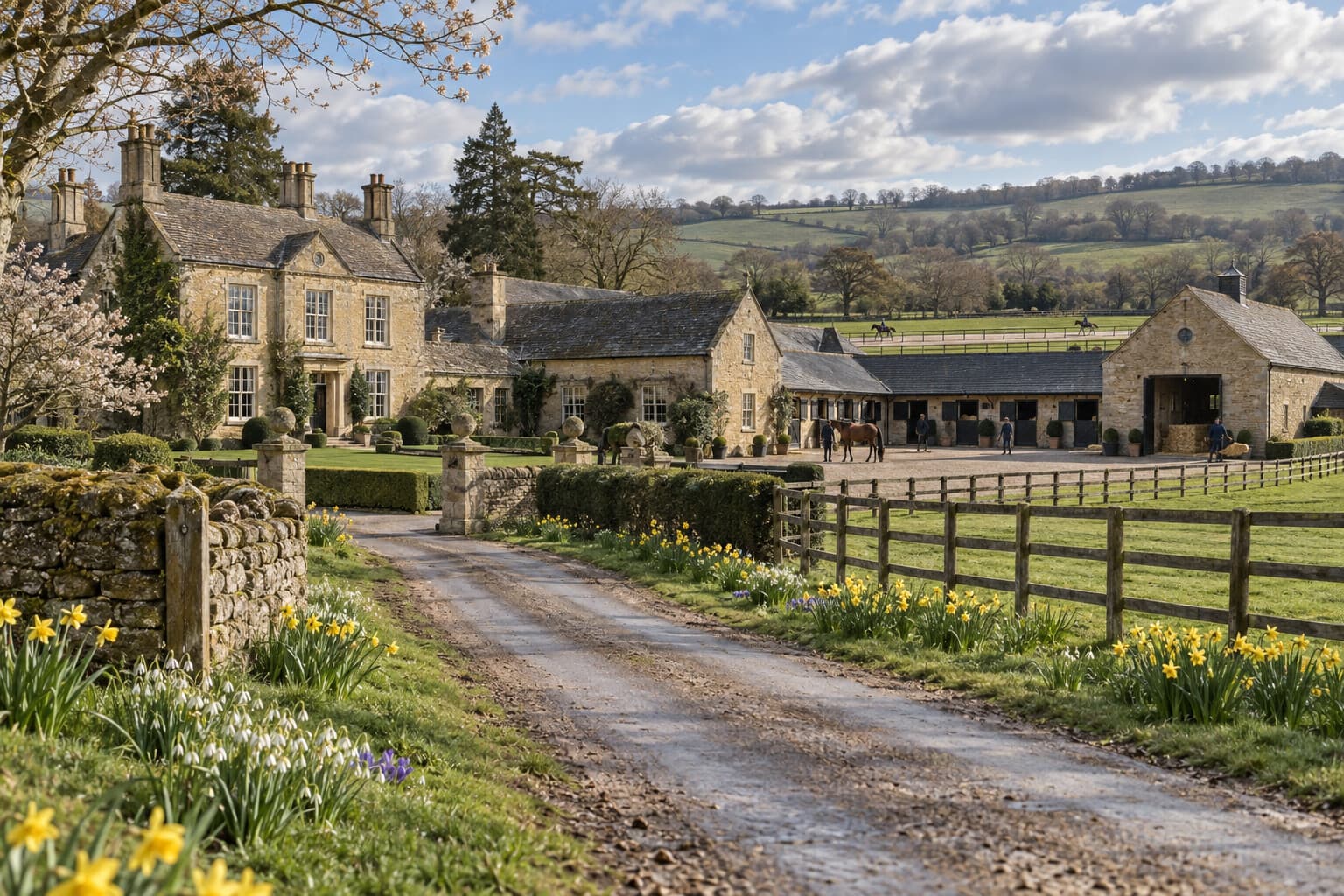
The imagined North Somerset training yard at the heart of Tabikat, rooted in the real routines and traditions of National Hunt racing.
Sampfield Grange is a product of Harriet Redfern’s imagination. Even so, the concept and description of the work of a racehorse training yard and its North Somerset location are both real and contemporary.
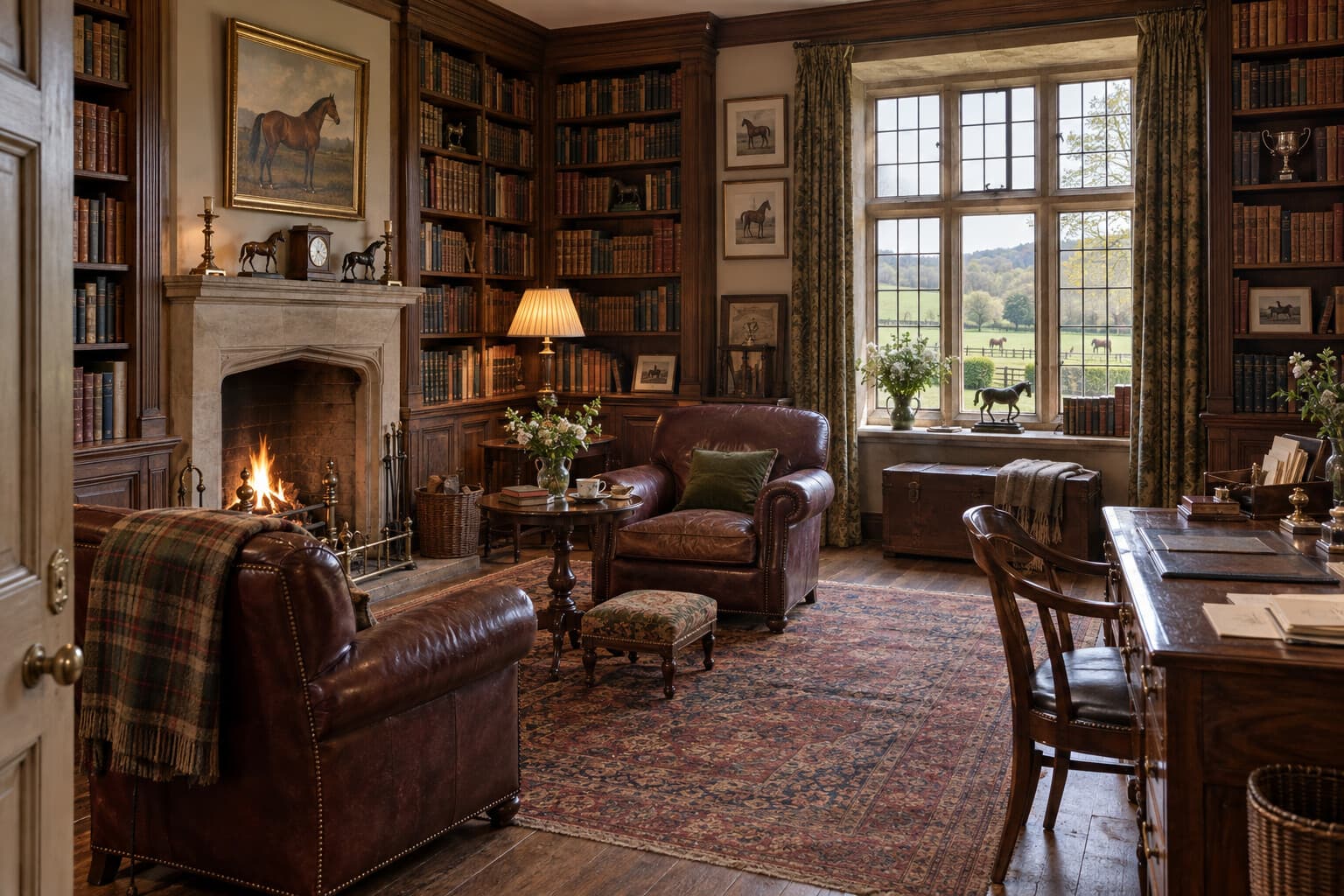
Horseracing has a long and fascinating history in many countries all over the world, and is particularly associated with Britain, especially England, with two famous centres in Cheltenham for jump racing and Newmarket for flat racing. It may seem an old-fashioned sport and no longer relevant to today’s technology-driven society, but today there are over 600 racehorse training yards in the UK employing around 7,000 people. Huge amounts of money are still invested in buying, training and competing racehorses, much of it coming into the country from overseas. Many famous races established hundreds of years ago are still run today and wealthy owners will invest their millions in attempting to win them.
The racing world revolves around breeding horses capable of winning races and training them to achieve that objective. There are stud farms which do the former, such as the fictional Mallows and Feirm Enda in Tabikat, and training yards such as Sampfield Grange and the others mentioned in the Kat’s Gift books: the Meaghan, Dicks and Parry yards.
Sampfield Grange is portrayed in Tabikat as old-fashioned and traditional. Unlike most racehorse trainers, James Sampfield Peveril owns his own horses and the yard’s roots lie in point-to-point amateur racing and eventing, an equestrian sport involving multiple disciplines. The plot of Tabikat propels Sampfield Grange into the upper echelons of National Hunt jump racing and all the pressure which comes with it.
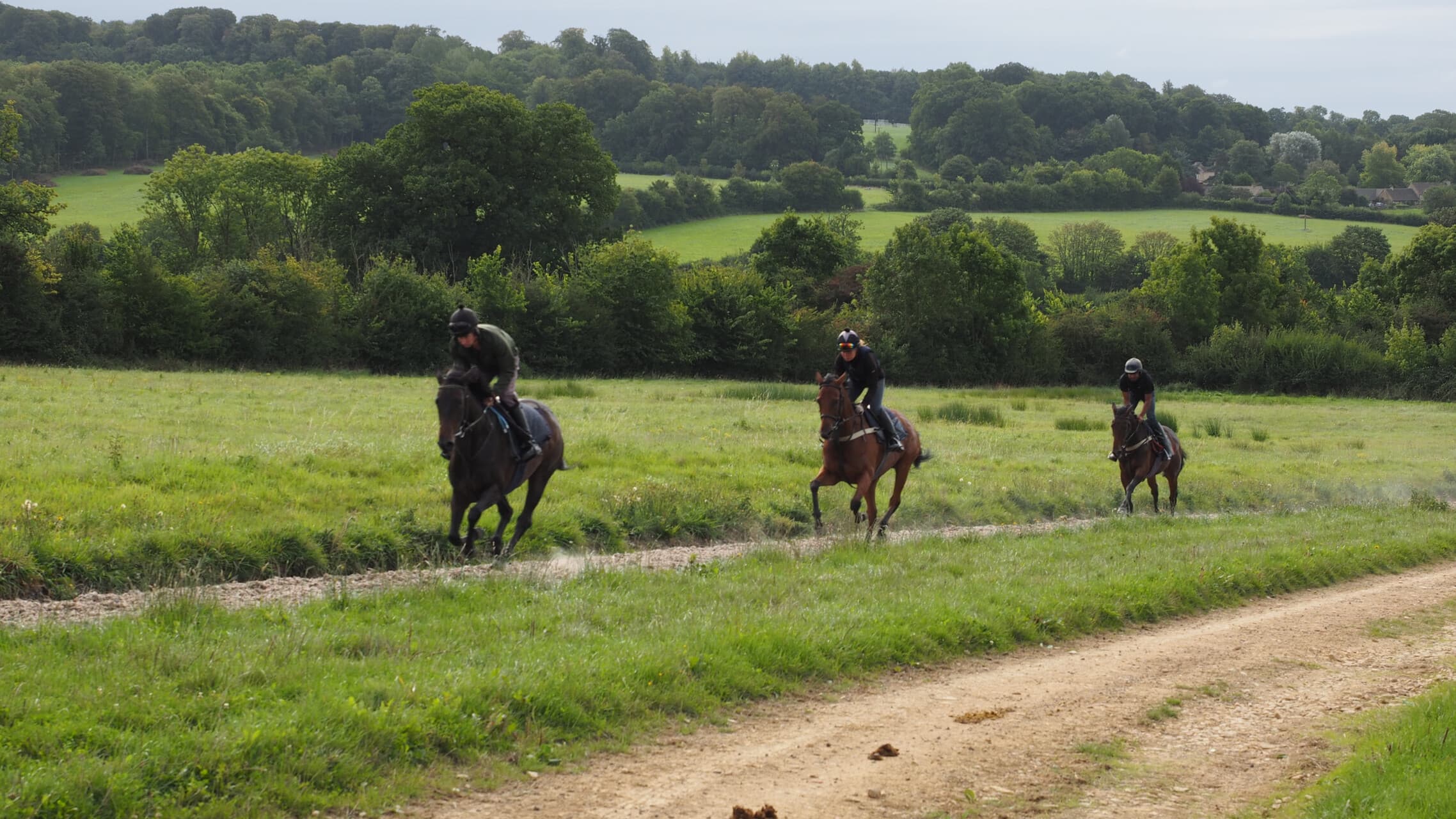
The location in North Somerset is real. The unrelenting daily routine of the yard is carried out on the hills overlooking the Bristol Channel, where the weather and the spectacular views play a big part in the action. Caring for and training racehorses which may be worth huge sums of money is a skilled and mostly outdoor activity, and the quality of care, not to mention the vagaries of the English weather, can play a major role in a horse’s success. Racehorses at this level are elite athletes, so the daily exercise, nutrition and veterinary care routines, as described in the books, are critical to success. James Sampfield Peveril is a traditional trainer who relies on knowledge handed down to him from his father and forebears, but we eventually see him in the later books beginning to engage with the modern technology which nowadays informs racehorse training.
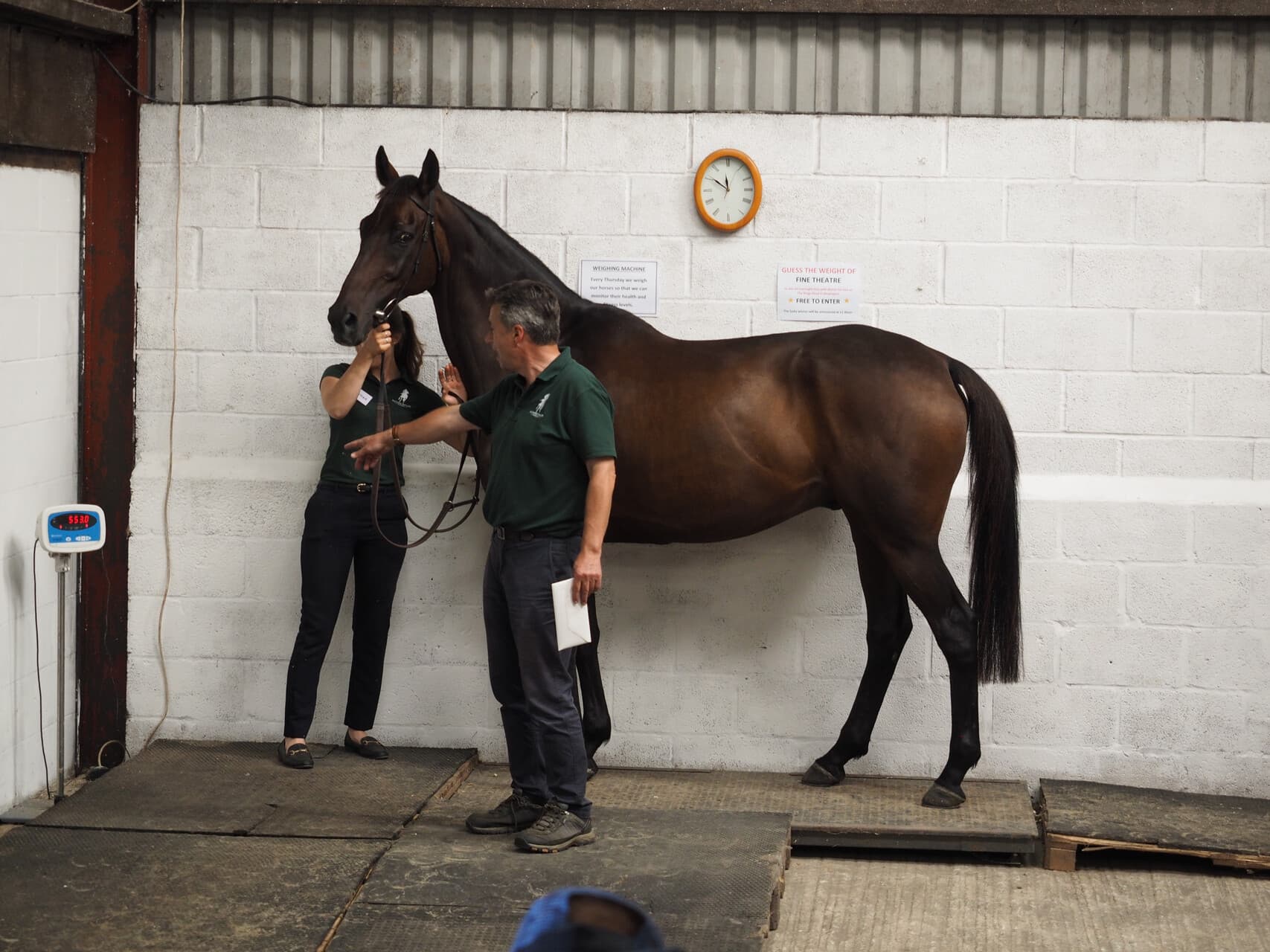
Sampfield Grange has been conceived with reference to several real training yards around Gloucestershire, Oxfordshire and Berkshire. But none of them is quite so enigmatic and unusual as Sampfield Grange and its reclusive owner.